Ursula von der Leyen stated in a plenary session of the European Parliament that the situation in the Middle East has already impacted global energy markets. Instability in the Gulf region has rapidly driven up prices, and as long as Europe continues to import large amounts of fossil fuels from unstable regions, it will not be able to get rid of its vulnerability and dependence.
She pointed out that since the outbreak of the conflict, natural gas prices have risen by 50% and oil prices by 27%. In just 10 days, European taxpayers have had to pay an additional €3 billion for fossil fuel imports—this is the cost of energy dependence.
The Cost Is Quickly Transmitted to Electricity Prices
According to an analysis report released on March 13 by Ember, since the conflict triggered by the U.S. and Israel’s strikes on Iran, the surge in natural gas prices has led to an increase of over 50% in gas-fired power generation costs in Europe.
During the first 10 days of the conflict, the EU spent an additional €2.5 billion on fossil fuel imports. Data shows that in the first week of the conflict, the European benchmark natural gas price averaged €45/MWh, nearly 50% higher than pre-conflict levels. In the first week of March, electricity prices in Germany, the Netherlands, Italy, and Belgium surged to their highest levels of the year.
The report specifically notes that Italy and Belgium, due to their high dependence on LNG (liquefied natural gas) from Qatar—accounting for 36% and 24% of their LNG imports respectively in the first half of 2025—face greater exposure to risks. In contrast, Spain has rapidly deployed wind and solar energy since 2019, achieving a “structural decoupling” between natural gas and electricity prices, with gas influencing electricity prices only about 15% of the time, far lower than Italy’s 89%.
Chris Rosslowe stated: “Global conflicts have once again driven natural gas prices sharply higher, bringing potentially catastrophic economic consequences to regions that rely on imports. The combination of clean electricity and electrification is the only shield against sudden spikes in gas and electricity prices, both now and in future crises.”
The report also points out that under current gas price levels, carbon costs account for no more than 10% of final household electricity bills, which is lower than the EU’s average VAT rate, weakening arguments from some industries calling for a suspension of the carbon market mechanism.
The report further analyzes the geopolitical background: Iran’s closure of the Strait of Hormuz and attacks on Qatar have raised expectations of global LNG supply disruptions, directly pushing up gas prices in Europe. Although Europe’s overall imports from Qatar account for only about 10% of total LNG imports, countries such as Italy and Belgium, with higher dependence, are more significantly affected.
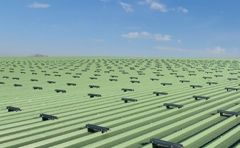
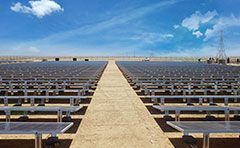
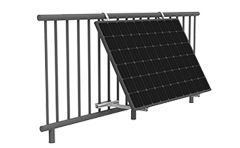
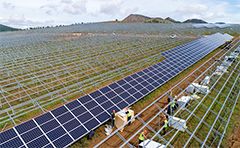
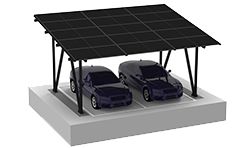
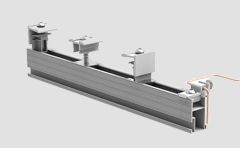
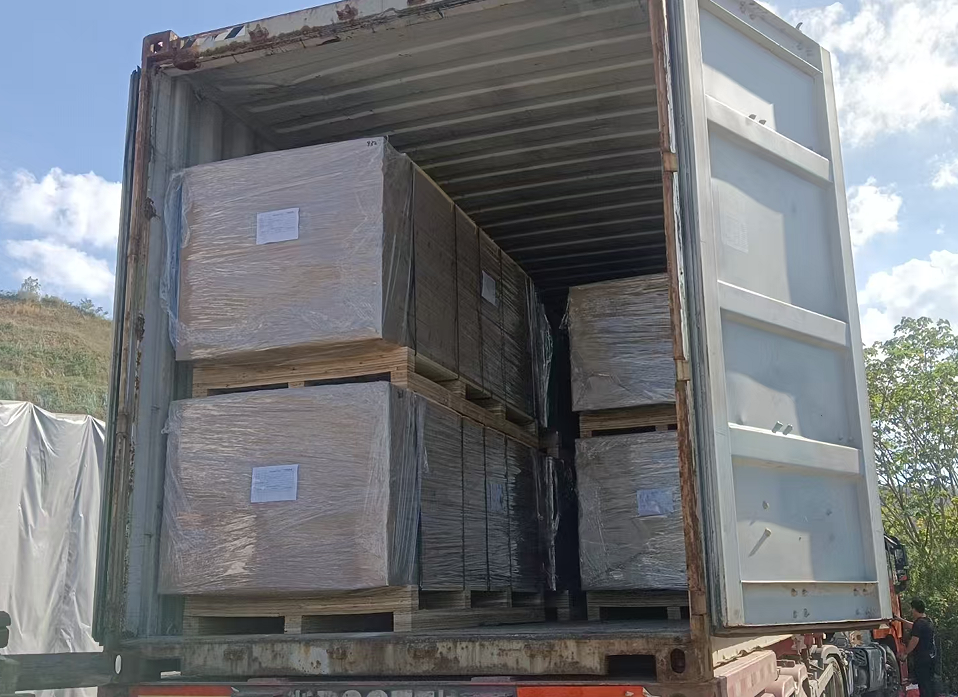
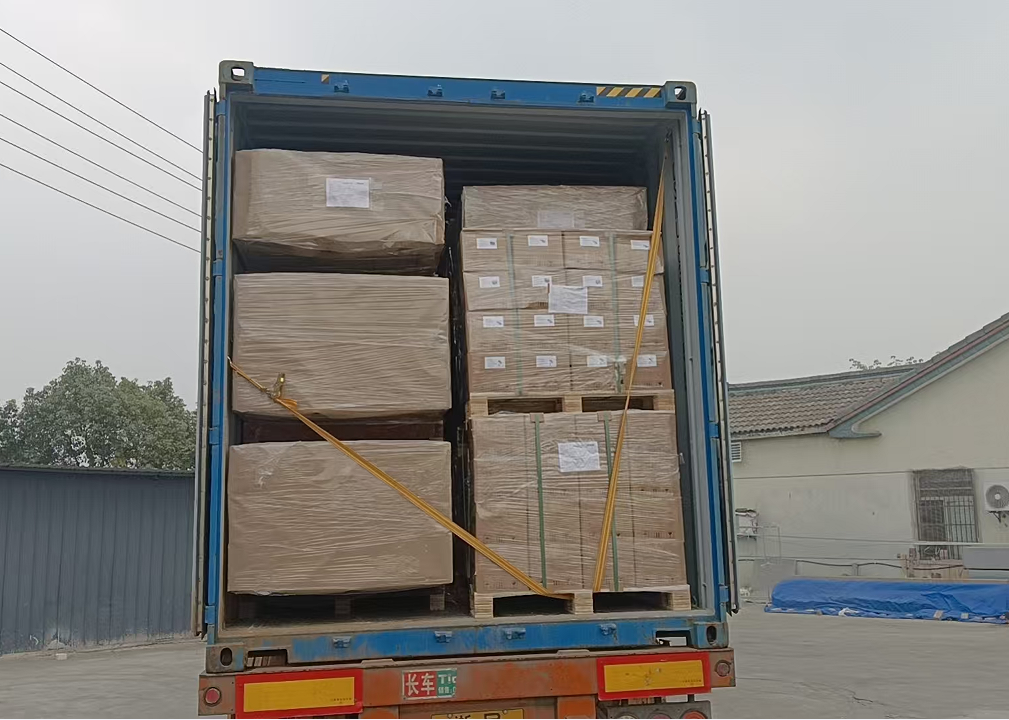
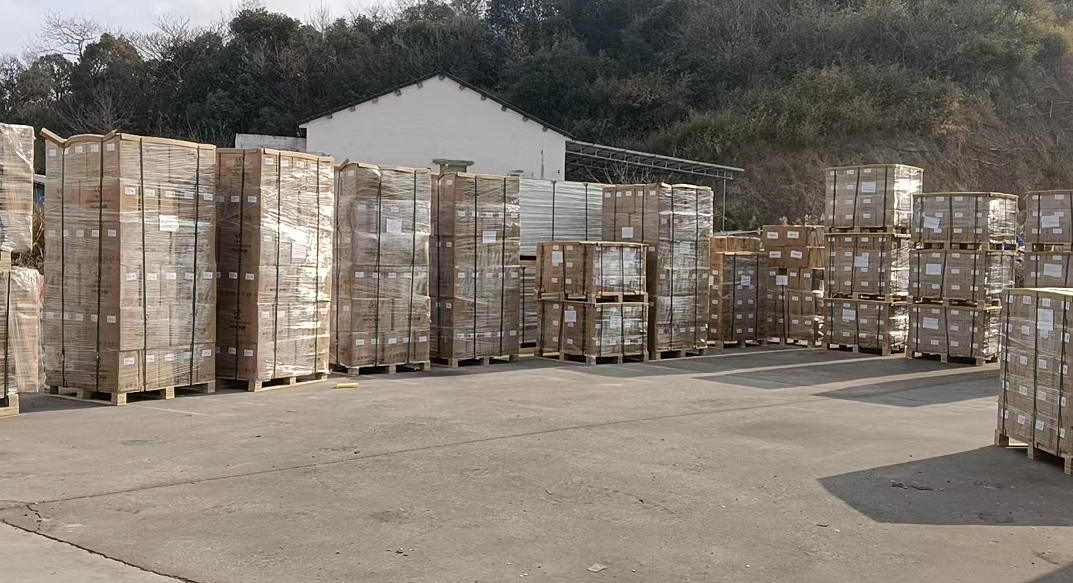
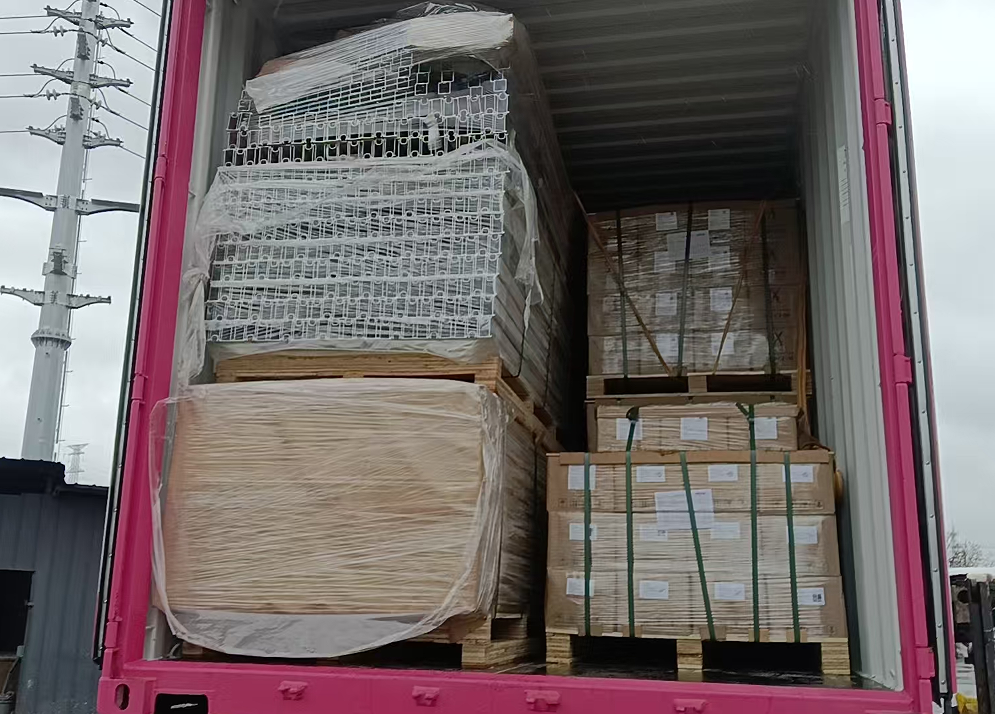
Large-Scale Procurement of Solar Mount System
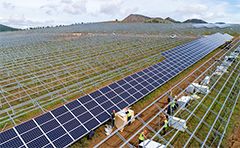
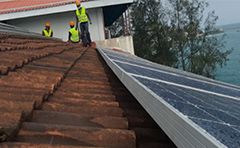
Against the backdrop of increasing electricity price volatility, European end users are accelerating the deployment of solar power systems, especially rooftop PV installations.
Since March 2026, the European market has shown the following trends:
Concentrated release of orders for PV modules and systems
Significant increase in distributed PV projects
Accelerated development of solar-plus-storage integration
At the same time, multiple cooperation agreements and project signings have been finalized, covering:
Utility-scale PV projects ranging from hundreds of megawatts to gigawatt levels
Energy storage systems and integrated solar-storage solutions
Grid infrastructure and supporting energy facilities
Ursula von der Leyen also emphasized in her speech that the EU will continue to pursue the long-term strategy of developing domestic energy sources such as renewable energy and nuclear power, and is working on measures to reduce energy prices.
This suggests that the current wave of large-scale procurement of Chinese PV products may only be the beginning, as Europe’s long-term energy transition is opening up a much broader market space