As solar power generation increasingly peaks around midday while electricity demand and prices rise in the evening, Austria is preparing a major shift in its renewable energy support policy.
The Austrian government has announced a new “Storage Offensive”, with plans to adjust its solar subsidy framework from 2027 and place greater emphasis on battery energy storage systems (BESS), energy management systems (EMS), and other storage solutions.
According to a study commissioned by Austria’s Ministry of Economic Affairs, the country could have up to 8 GW of economically viable market-based battery storage capacity by 2030.
Addressing the Gap Between Solar Generation and Evening Demand
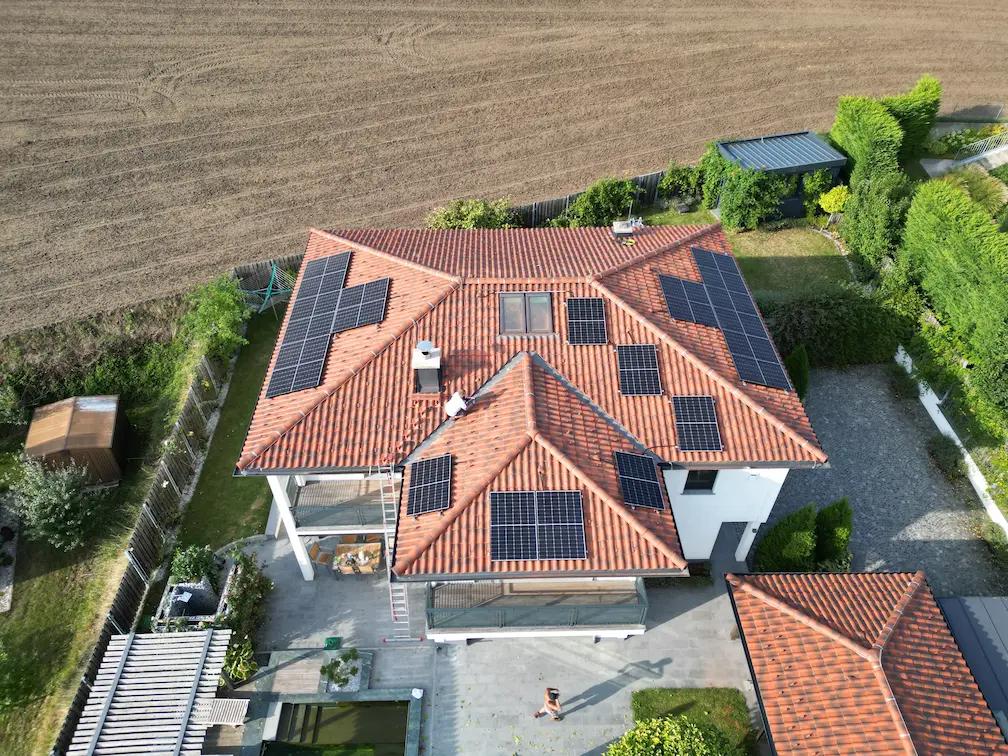
The rapid growth of solar PV has created a growing imbalance between electricity supply and demand. Solar generation is concentrated during the middle of the day, when wholesale electricity prices can be relatively low, while demand and electricity prices tend to increase in the evening after solar generation declines.
On August 15, 2026, Austria generated 117.8 GWh of electricity against national consumption of 120.1 GWh. Solar generation reached approximately 4.3 GW around midday, accounting for about 30% of total generation, while national electricity demand peaked at around 6.1 GW in the evening, when solar generation had almost disappeared.
The price difference was also significant. The average wholesale electricity price was approximately €14/MWh between 10:00 and 16:00, compared with around €180/MWh during the evening.
The government therefore sees energy storage as an important tool for storing low-cost solar electricity during the day and releasing it when demand is higher.
Key Elements of Austria’s New Storage Policy
The planned measures include:
Developing new solar support schemes that place greater emphasis on energy storage.
Integrating energy storage infrastructure into future electricity grid planning.
Accelerating the approval process for battery storage projects under the Renewable Energy Expansion Acceleration Act (EABG).
Establishing dedicated support for smart electricity management systems for households and businesses.
Supporting the addition of energy storage and EMS to existing solar PV installations.
From 2027, Austria also plans to reform its solar support mechanism under the Renewable Energy Expansion Act (EAG). Investment subsidies for PV projects would no longer follow a simple first-come, first-served model. Instead, applicants would be able to apply after the project has been completed and the relevant invoices issued.
At the same time, broad support for conventional small-scale PV systems is expected to gradually decline, while greater attention will be given to systems that can increase self-consumption and reduce pressure on the electricity grid.
Growing Potential for Battery Storage
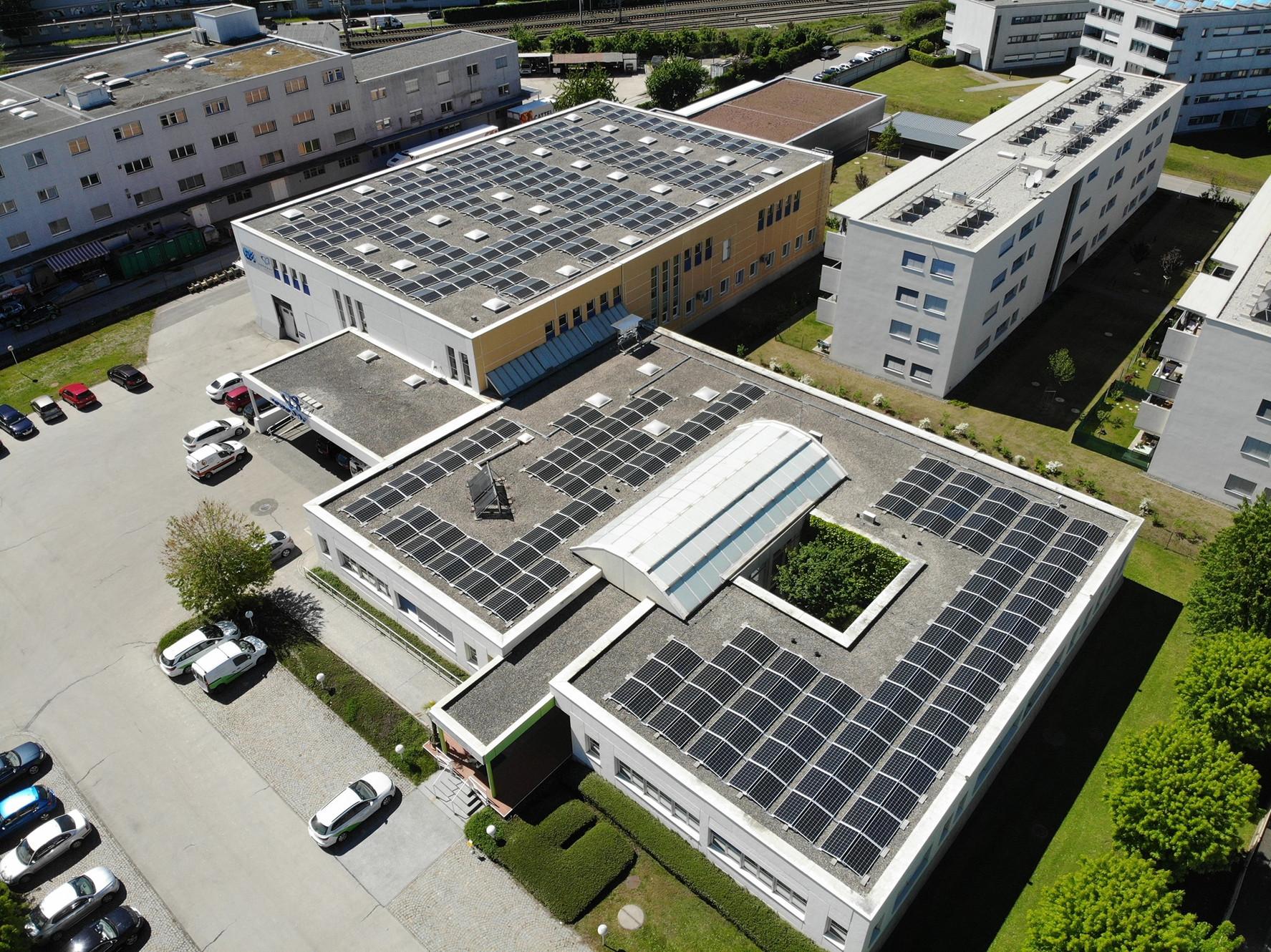
The Austrian government’s commissioned study estimates that economically viable market-based battery storage capacity could reach up to 8 GW by 2030.
Austria currently has more than 3.2 GWh of installed battery storage capacity, with most systems having a storage capacity of less than 50 kWh. The country also has approximately 6.2 GW of pumped-storage hydropower capacity.
The government emphasizes that the development of energy storage will depend not only on financial incentives, but also on network charges, market regulations and grid connection conditions.
Implications for the Solar Industry
Austria’s policy direction reflects a broader change in the European renewable energy market: the focus is gradually shifting from simply increasing solar capacity to improving the utilization and flexibility of solar power.
The market is increasingly moving toward an integrated model of:
Solar PV + Battery Storage + Energy Management
This could create new opportunities in areas such as existing PV system upgrades, residential and commercial battery storage, smart energy management, and integrated renewable energy solutions.
For the solar industry, the development of storage is not necessarily a reduction in PV demand. Instead, it signals a transition toward a more flexible and grid-friendly energy system, where solar generation can be better aligned with electricity demand.
As Austria continues to develop its energy storage market, the combination of solar PV, storage and intelligent energy management is expected to play an increasingly important role in the country’s renewable energy transition.