Metal roofs are widely used for commercial, industrial, and residential buildings. However, different metal roof profiles require different solar mounting solutions.
Choosing the right mounting system is important for ensuring structural stability, waterproofing, installation efficiency, and long-term performance.
Here are the key factors to consider when selecting a solar mounting system for a metal roof.
1. Identify the Roof Type
The first step is to identify the exact metal roof profile.
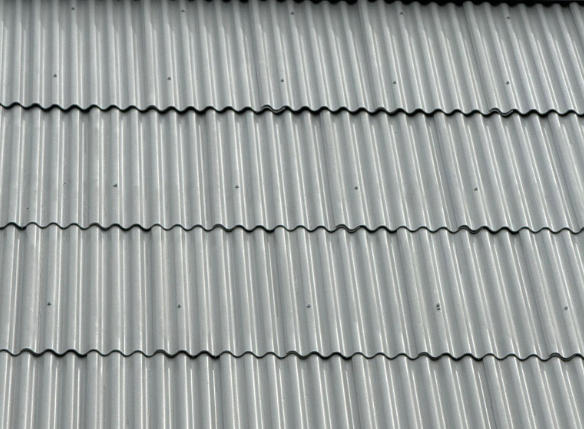
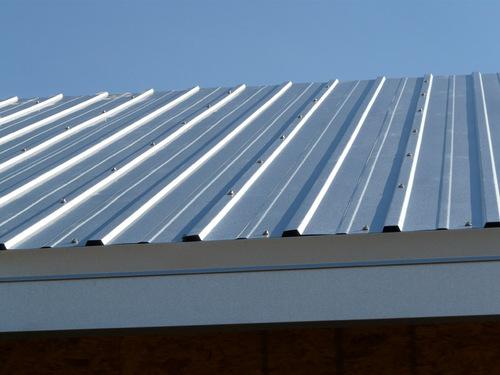
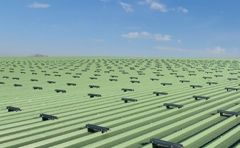
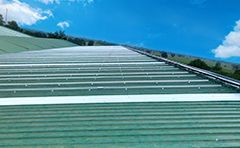
The roof profile determines how the mounting system should be fixed. For example, trapezoidal and corrugated roofs can often use roof clamps or mini rail solutions, while standing seam roofs can use non-penetrating clamps.
Always confirm the roof profile and dimensions before selecting the mounting system.
2. Choose the Right Fixing Method
There are different ways to connect solar panels to a metal roof.
Rail-Based Installation
Rails provide a flexible solution for different module sizes and layouts. They are suitable when adjustable positioning and a stronger connection between the roof and modules are required.
Mini Rail Installation
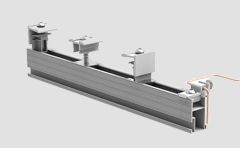
Mini rails offer a simpler solution for certain trapezoidal and corrugated metal roofs. With fewer components and shorter rail sections, they can help simplify installation and reduce installation time.
Direct Clamp Installation
For some standing seam roofs, clamps can be attached directly to the seams without penetrating the roof surface. This can help maintain roof integrity and simplify installation.
The best option depends on the roof structure, module layout, wind conditions, and project requirements.
3. Consider Wind Load
Wind load is another important factor when selecting a mounting system.
Projects in areas with strong winds or coastal conditions may require stronger fixing methods, closer attachment spacing, or additional structural reinforcement.
The mounting system should be designed according to the local wind speed, building height, roof structure, and applicable design standards.
4. Check Waterproofing Requirements
Roof penetration can create potential waterproofing concerns.
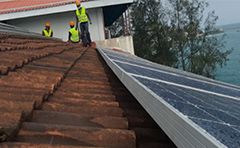
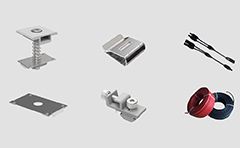
For penetrating systems, suitable sealing solutions such as EPDM washers or pre-pasted EPDM pads can help protect the roof connection from water ingress.
For standing seam roofs, non-penetrating clamps can provide an alternative where the roof design allows it.
5. Check Module Compatibility
The mounting system should match the solar module dimensions and frame height.
Before ordering, check:
This helps ensure a secure connection between the module and mounting structure.
6. Consider Installation Efficiency
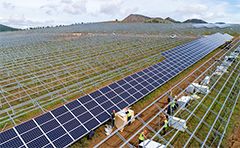
For large rooftop projects, installation time can have a significant impact on overall project costs.
A good mounting solution should use fewer components, simple connections, and easy-to-install fixing methods wherever possible.
For suitable metal roofs, rail-free or mini rail systems can provide a more streamlined installation compared with conventional full-rail systems.
Conclusion
There is no single solar mounting system that fits every metal roof.
The right solution depends on the roof profile, fixing method, wind conditions, waterproofing requirements, module specifications, and installation method.
By evaluating these factors before installation, installers and project developers can select a mounting system that provides a reliable and efficient solution for their solar project.
Looking for a mounting solution for your metal roof? Contact WOCHN to discuss your project requirements.